
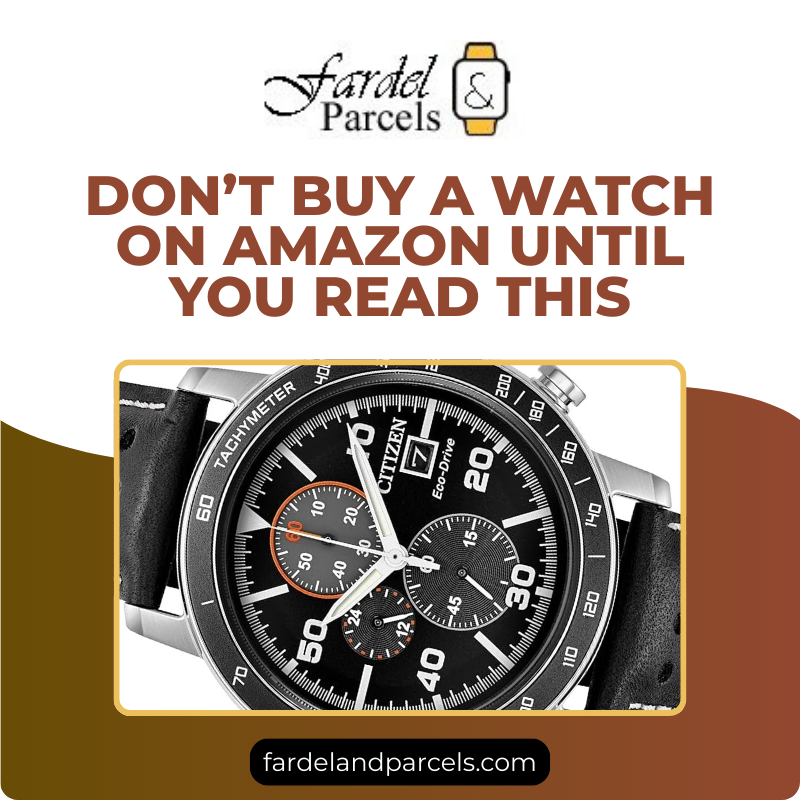
You’ve probably done it before. You spot a gorgeous watch on Amazon, the reviews look solid, the price seems almost too good to be true, and before you know it, you’ve clicked “Add to Cart.” Two weeks later, the watch arrives, and something feels… off. The crown sticks. The lume is uneven. The case back looks stamped rather than engraved. Sound familiar?
Amazon is the world’s largest online retailer, and it sells millions of watches every year. But buying a watch there without knowing what to look for can leave you with counterfeit goods, grey market pieces, or products that simply don’t match their descriptions. Whether you’re eyeing a $30 fashion watch or a $3,000 luxury timepiece, these 15 things could save you serious money, frustration, and regret.
1. Understand Amazon’s Marketplace Model
Amazon isn’t just one store. It’s a platform where third-party sellers list products alongside Amazon’s own inventory. When you search for a watch, you could be buying from Amazon directly, a brand’s official store, or a random third-party seller somewhere in the world. That distinction matters enormously for authenticity, warranty, and returns.
2. Counterfeit Watches Are a Real and Documented Problem
The U.S. Department of Homeland Security and customs agencies routinely seize millions of counterfeit watches every year. Amazon has faced criticism and lawsuits over fake goods appearing in its marketplace. In 2020, the U.S. Government Accountability Office found that a significant percentage of products purchased from third-party online marketplaces were counterfeit or mislabeled. Watches, especially popular brands like Rolex, Omega, and TAG Heuer, are among the most faked products in the world.
3. Check Who’s Actually Selling the Watch
Before you buy, scroll down on the product page to the “Sold by” field. If it says “Ships from and sold by Amazon.com,” that’s generally more reliable. If it’s a third-party seller, research that seller. Look at their feedback percentage, how long they’ve been on the platform, and whether they have a physical address or verifiable business presence.
4. Be Skeptical of Luxury Brands Sold at Deep Discounts
If a watch that retails for $2,000 is listed on Amazon for $800 from a seller you’ve never heard of, that’s a serious red flag. Authentic luxury watches, especially brands like Rolex, Patek Philippe, or Audemars Piguet, are almost never sold through Amazon at all. Those brands protect their distribution channels fiercely. A steeply discounted “luxury” watch is almost certainly a counterfeit or gray market piece with no manufacturer warranty.
5. Read the Reviews Critically, Not Just the Star Rating
A 4.7-star rating sounds great, but look closer. Filter reviews by lowest-rated first. Check if reviews mention authenticity issues. Notice whether the reviews are verified purchases. Look for patterns in negative feedback, like “stopped working in two weeks” or “looks nothing like the photos.” Also be aware that Amazon has struggled with fake review rings, particularly for lower-cost goods.
6. Understand the Difference Between Gray Market and Counterfeit
A gray market watch is a genuine product sold outside its authorized distribution channel. It might be real, but it often comes without a manufacturer’s warranty and may have been purchased in another country where it was never meant to be sold. A counterfeit watch is a fake, period. Both can show up on Amazon, and both are worth avoiding unless you understand exactly what you’re buying and why.
7. Verify the Seller’s Return Policy Before You Click Buy
Amazon’s general return window is 30 days, but individual sellers can set their own policies. Some third-party sellers have extremely restrictive return terms, or they make the process so cumbersome that many buyers simply give up. Always read the return policy on a specific listing, not just Amazon’s general policy, before purchasing.
8. Look for Authorized Dealer Badges or Brand Storefronts
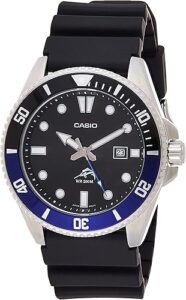
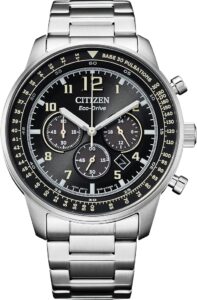
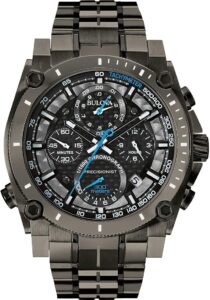
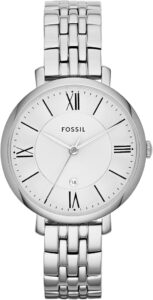
Some legitimate watch brands operate official storefronts on Amazon. Seiko, Citizen, Timex, Casio, Fossil, and Bulova, for instance, sell directly through Amazon and through their authorized dealers there. If you’re buying one of these brands, look for the official brand storefront or listings that explicitly state “Sold by [Brand Name]” to ensure you’re getting a genuine product with a valid warranty.
9. Pay Attention to Model Numbers and Specifications
Counterfeit and mislabeled watches often have incorrect model numbers, vague specifications, or photos that don’t match what arrives. Look up the watch’s official model number on the manufacturer’s website before purchasing. If the Amazon listing’s specifications don’t match what the brand publishes, walk away.
10. Check Whether a Manufacturer’s Warranty Is Included
A genuine watch sold through an authorized channel should come with a manufacturer’s warranty card. If the listing says “no warranty,” “seller warranty only,” or simply doesn’t mention a warranty, that’s a warning sign. Without a manufacturer’s warranty, you have no recourse if the watch has a defect, and servicing from an authorized service center could be complicated or refused.
11. Watch Out for Stock Photography Used in Listings
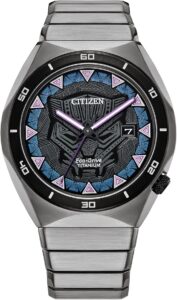
Some sellers use the manufacturer’s official promotional photos rather than actual product photos. This is a common tactic for counterfeit sellers. Look for product photos that appear to be taken by the seller themselves, and check if the listing includes multiple angles, close-ups of the dial, crown, caseback, and clasp. If all you see is a single glamour shot, be cautious.
12. Research the Seller’s Location and Shipping Origin
Pay attention to where the watch is shipping from. If a “Swiss-made” luxury watch is shipping directly from an overseas warehouse, that inconsistency is worth investigating. Long shipping times from certain regions are also associated with counterfeit goods in consumer protection reports.
13. Use a Credit Card, Not Debit, for Added Protection
If something goes wrong with your purchase, a credit card gives you chargeback protection that a debit card typically doesn’t. Major card networks like Visa and Mastercard allow you to dispute purchases for non-delivery or significantly not-as-described items. This is an important safety net when buying higher-value items from a marketplace with third-party sellers.
14. Consider Buying From Specialty Watch Retailers Instead
For anything above entry-level, you might genuinely be better served by buying from a dedicated watch retailer like Jomashop, WatchBox, Crown and Caliber, or directly from the brand’s official website. These retailers specialize in watches, stand behind their authenticity guarantees, and offer real customer service staffed by people who know the product. Amazon is convenient, but convenience isn’t everything when you’re spending real money.
15. Trust Your Gut, and Then Verify It
If something about a listing feels wrong, it probably is. Trust that instinct, then go verify it. Search the seller’s name online. Post in watch enthusiast forums like WatchUSeek or Reddit’s r/Watches and ask if anyone has experience with that seller. The watch community is generous with knowledge, and a few minutes of research can save you from a purchase you’ll regret.
Final Thoughts
Amazon can be a perfectly fine place to buy a watch, but only if you go in with your eyes open. The platform’s massive size is both its strength and its weakness. That same openness that gives you access to thousands of watch options also creates space for bad actors to operate. For everyday, entry-level watches from brands with an official Amazon presence, the risk is relatively low. For anything valuable, collectable, or luxury, the stakes rise significantly.
Do the research. Know your seller. Understand what a warranty is worth. And if the deal looks too good to be true, it almost always is. A watch is more than a timekeeping device for most people. It’s an accessory, a statement, and sometimes an investment. It deserves more than a five-second impulse click.
Take your time before you spend yours.
Explore our Collections
Write a Comment