
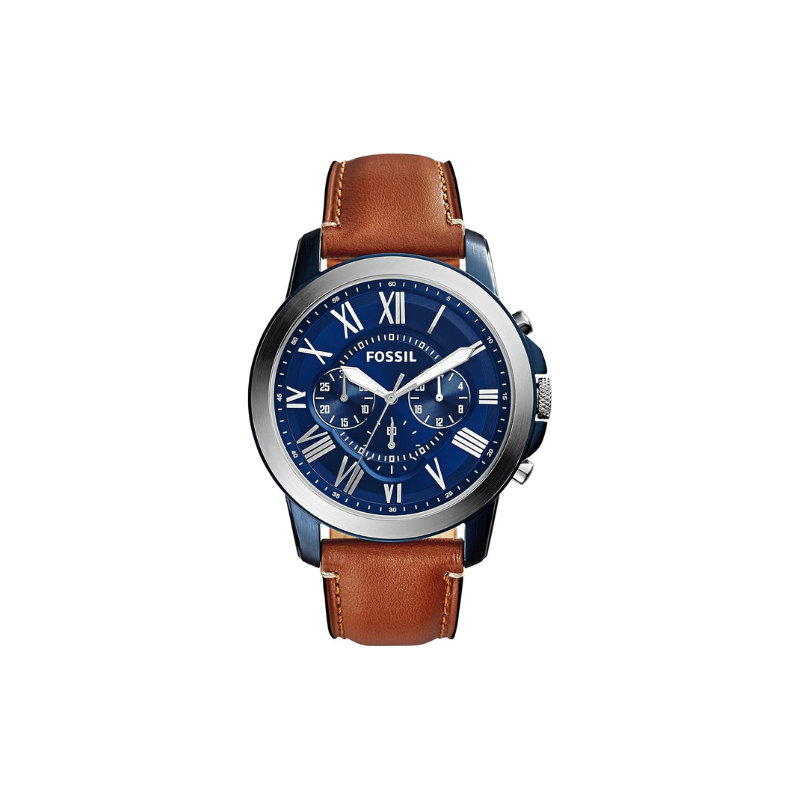
The watch on your wrist says more about you than just the time. In 2026, choosing between a smartwatch and an analog watch means deciding what matters most: cutting-edge health technology or timeless craftsmanship. With smartwatches now offering hypertension detection and AI coaching, while analog watches see renewed interest from younger generations, the decision has never been more interesting.
Let’s cut through the marketing noise and look at what each option actually offers.
What Smartwatches Bring to Your Wrist in 2026
Smartwatches have evolved into genuine health monitoring devices. The latest models from Apple and Samsung represent the current state of the art.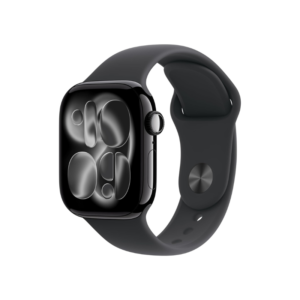
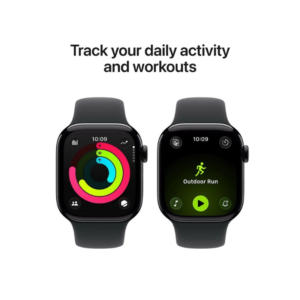
The Apple Watch Series 11
Released in September 2025, the Series 11 introduced hypertension notifications that analyze blood vessel responses over 30-day periods to detect patterns of high blood pressure. Battery life improved to 24 hours, and aluminum models feature Ion-X glass that’s twice as scratch-resistant.
Available in 42mm and 46mm sizes, aluminum models start at $399. Key features include Sleep Score, Workout Buddy powered by Apple Intelligence, and 5G cellular connectivity. The watch supports ECG, blood oxygen monitoring, and continuous heart rate tracking.
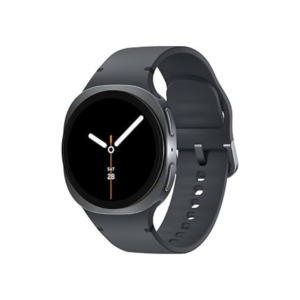
Samsung Galaxy Watch 8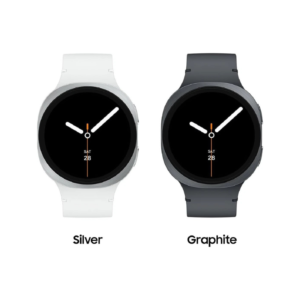
The Galaxy Watch 8, announced in July 2025, is 11% thinner than its predecessor. Available in 40mm and 44mm sizes, it features up to 3,000 nits of brightness and includes Google’s Gemini AI assistant out of the box running Wear OS 6.
Health features include Bedtime Guidance (using three days of sleep data), Running Coach with real-time feedback, heart rate zones, Energy Score tracking, and antioxidant level monitoring. Battery life lasts one to two days with typical use.
The Daily Reality
Smartwatch ownership means daily charging, managing notifications, and updating software. Some advanced features require subscriptions. However, for fitness enthusiasts and health-conscious users, the trade-offs make sense. ECG, blood oxygen monitoring, and sleep tracking provide actionable health data, while cellular connectivity lets you leave your phone behind during workouts.
Why Analog Watches Still Matter
Analog watches offer simplicity and freedom from digital interruptions. When you check the time, you get exactly that, nothing more. No notifications, no reminders about activity rings
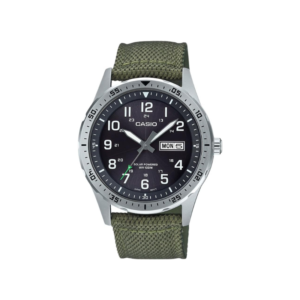
The Case for Traditional Craftsmanship
Despite predictions about smart watch dominance, analog watch sales are growing, especially among Millennials and Gen Z who view them as functional jewelry. The luxury analog watch market is particularly strong, driven by younger consumers appreciating authenticity and heritage.
Well-made mechanical watches last decades or generations. Families pass them down as heirlooms, carrying stories across time. Smartwatches become obsolete within 3-5 years.
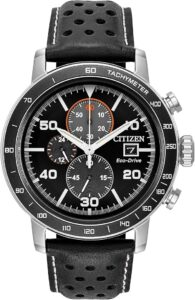
Analog watches come in three types: Hand-wound mechanical watches require daily winding but need no batteries. Automatic mechanical watches wind themselves through wrist movement. Quartz watches use battery power, offering better accuracy with battery replacement every 5-7 years.
The Trade-offs
Analog watches serve one purpose: telling time. No fitness tracking, no notifications, no GPS. Quality mechanical watches need professional servicing every 3-5 years, though they can last for generations with proper care. Quartz models offer simpler maintenance but lack the mechanical soul that watch enthusiasts crave.
Feature Comparison: The Facts
Here’s how these timepieces actually compare based on current 2026 models:
| Feature | Smartwatch (2026) | Analog Watch |
|---|---|---|
| Time Display | Digital or analog face, customizable | Traditional hands, fixed dial |
| Battery Life | 24 hours (Apple Watch Series 11) 1-2 days (Samsung Galaxy Watch 8) |
Years (quartz) Unlimited (automatic mechanical) |
| Health Tracking | Heart rate, SpO2, ECG, blood pressure detection, sleep analysis, stress monitoring | None |
| Fitness Features | GPS, workout modes, AI coaching, running analysis, heart rate zones | None |
| Notifications | Calls, texts, emails, app alerts | None |
| Connectivity | 5G cellular (select models), Wi-Fi, Bluetooth | None |
| Price Range | $399-$800+ (plus potential subscriptions) | $50-$10,000+ (no subscriptions) |
| Typical Lifespan | 3-5 years before obsolescence | Decades to lifetime |
| Maintenance | Software updates, daily charging | Battery every 5-7 years (quartz) Service every 3-5 years (mechanical) |
| Water Resistance | 50m typical (5ATM) | Varies, 30m-300m+ |
| Display Brightness | Up to 3,000 nits (Galaxy Watch 8) Up to 2,000 nits (Apple Watch Series 11) |
N/A (no screen) |
| Smart Features | Voice assistants, mobile payments, navigation | None |
| Style Versatility | Casual, sporty, limited formal options | Formal, casual, dress, sporty, luxury |
Who Should Choose a Smartwatch?
You’ll benefit from a smartwatch if you:
Track fitness seriously. Runners, cyclists, and athletes who want detailed metrics, GPS tracking, and AI-powered coaching will find the data invaluable. The heart rate zones, VO2 max tracking, and workout analysis help you train smarter.
Need health monitoring. People with health conditions requiring regular monitoring, or those who want early warning signs of potential issues, benefit from continuous heart rate tracking, ECG capabilities, and sleep analysis.
Want to stay connected without your phone? The ability to take calls, respond to messages, and use mobile payments from your wrist genuinely increases convenience, especially during workouts or when carrying a phone is impractical.
Use iPhone or Android deeply. Apple Watch integrates seamlessly with iPhone, while Samsung Galaxy Watch works best with Android devices. If you’re embedded in either ecosystem, the convenience factor multiplies.
Who Should Choose an Analog Watch?
Analog watches make sense if you:
Value minimalism and focus. If constant notifications stress you out or you’re actively trying to reduce screen time, an analog watch provides timekeeping without temptation.
Appreciate craftsmanship and style. People who view their watch as a fashion statement rather than a fitness tool should lean analog. Whether building a professional wardrobe or curating personal style, a classic timepiece offers versatility that smartwatches struggle to match.
Want long-term value. While quality analog watches can cost more upfront, the absence of subscriptions, software obsolescence, and e-waste makes them more economical over decades. A $500 mechanical watch properly maintained can serve you for 30 years. A $500 smartwatch will likely feel outdated in 3-5 years.
Work in formal environments. Business meetings, formal events, and professional settings often call for the understated elegance of an analog watch over the sporty look of most smartwatches.
The Hybrid Approach
Here’s what the industry doesn’t advertise: you don’t have to choose just one. Many people own both types and wear them for different occasions. Smartwatch during the week for fitness and productivity, analog watch for weekends and formal events. This approach maximizes benefits while minimizing compromises.
Some brands offer hybrid watches that blend analog aesthetics with basic smart features, providing middle ground for those torn between the two worlds.
Making Your Decision
Health and fitness focused? If you need workout tracking and health monitoring, smartwatches deliver clear value. The Apple Watch Series 11 excels for iPhone users, while Samsung Galaxy Watch 8 works best with Android.
Style and simplicity focused? If you value craftsmanship and want to reduce digital distractions, analog watches win.
Budget consideration: A $400 smartwatch with $10 monthly subscriptions costs $760 over three years. A $600 analog watch with one battery change over ten years costs $650 total.
Daily routine matters: Regular exercise and health tracking favor smartwatches. Formal settings and reduced screen time favor analog.
The Verdict
There’s no universal winner, only the right choice for your life. Smartwatches in 2026 offer genuine health value beyond gadget appeal. The hypertension detection, sleep analysis, and AI-powered coaching can meaningfully improve your wellbeing.
But analog watches remain relevant for powerful reasons. They represent freedom from digital overwhelm, connection to horological heritage, and timeless style that transcends technology trends. In a world of increasing digital noise, checking an analog watch becomes almost meditative.
The watch you choose reflects your values. Smartwatches say you prioritize health data and digital convenience. Analog watches say you value craftsmanship and intentional living. Both philosophies are valid.
For many people, the ideal solution involves both. Your wrist has room for different tools at different times, and your lifestyle probably benefits from each. The only wrong choice is buying something you won’t actually wear.
In 2026, both options have never been better. Choose based on what you need most: a health companion that happens to tell time, or a reliable timepiece that respects your attention.
Write a Comment